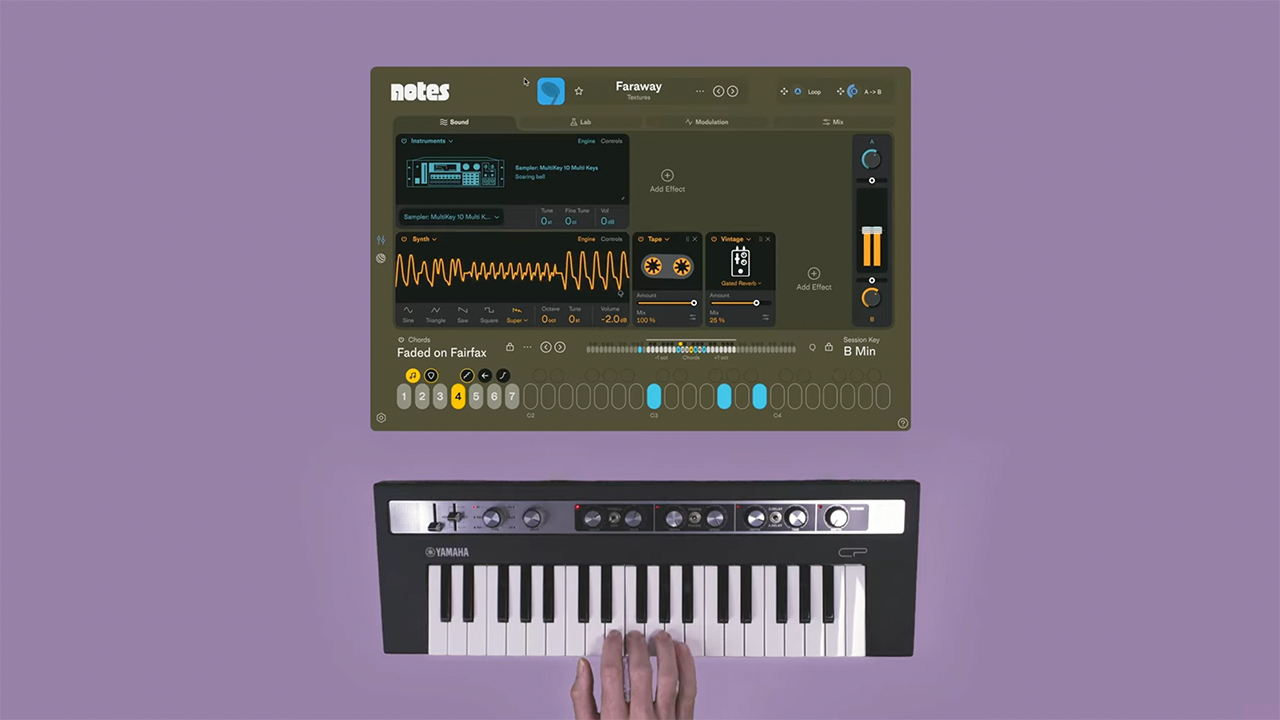




If you’re on YouTube or social media at all these days you’ve probably seen videos and tutorials popping up about making vintage-style samples with texture.
With all the advancements in software, the steady stream of new VSTs and effects plugins, and endless samples at our fingertips, we continue to chase the sound of vintage samples because they feel organic and alive. In our increasingly precise and hyper-sophisticated toolkits, imperfection and patina still beckon.
On an old dusty record, you can hear the vocalist breathe. The piano is never perfectly in tune. Timing drifts while the trumpet’s tone subtly shifts and evolves. That organic feel is a huge part of what makes soul, jazz, and early hip-hop samples so special.
But nowadays, producers and sound designers creating original samples for packs and libraries can’t just sample old records. Everything has to be created from scratch—legally, cleanly, and repeatably. In that process, it’s hard to capture or recreate that organic quality.
Multikeys emerged as a solution to that problem. By introducing variation in tone and texture across the keyboard, Multikeys helps original samples feel sampled even when they’re not.
And that matters now more than ever. In a time where powerful technological innovations like generative AI promise to tirelessly copy and replicate, new techniques like Multikeys reaffirm the value of taste: the small, individual artistic decisions that create real character.
What Is Multikeys?
At its core, Multikeys is simple: each time you press a key, a different sample is triggered.
Instead of one static sample pitched up or down every time you press a key, the sampler cycles through a collection of hand picked and processed recordings — like a felt piano, toy piano, and a lightly reverbed xylophone.
Each trigger is slightly different in timing, tone, and timbre creating variation that feels textural and organic. Much closer to how real instruments and vintage samples sound.
The Beginning
Multikeys didn’t emerge from traditional sampling theory or orchestral multisampling. It came from sample pack culture itself.
Producers creating packs for platforms like Splice or selling their own libraries needed to make soulful chords, jazzy phrases, and dusty textures that felt sampled, without actually sampling records. Recording a single clean take per chord simply didn’t capture that character.
Multikeys solved this by building variation directly into the instrument itself—so texture becomes part of the sound, not something added later with effects. This technique started gaining traction on producer YouTube in late 2024, with several videos appearing in quick succession.
We’ve traced the lineage of the term and the technique by following the credits given in those early explanations.
Tracing the Evolution
BusyWorksBeats brings Multikeys to a wider audience (10/19/2024)
The video that brought Multikeys to the largest audience so far came from BusyWorksBeats. He credits B Stix for turning him onto the technique—so this wasn’t his own new invention, but a technique already circulating among producers that he highlights to a wider audience.
BusyWorkBeats highlighting Multikeys for the first time. (October ’24)
Next Up: B Stix explains Multikeys
Having gotten the shout out from Busy, we went digging into B Stix’s channel. We found his first dedicated explainer of Multikeys, which was the first of many tutorials that use the technique on his channel. In this video, B Stix gives credit to Eville for introducing him to the techniuqe.
B Stix mentions Multikeys for the first time and does an explainer. (October ’24)
Pulling the thread further: From Eville To Keyon
Now digging even deeper in Eville’s channel, we found the first video where he mentions Multikeys in which credits Keyon with the Mulitkeys.
Eville shouting out Keyon for showing him the Multikeys technique. (September ’24)
Based on the earliest attributions we could find, its looking like Keyon is the original source of both the name “Multikeys” and its specific use to describe this vintage inspired, texture-driven approach to sampling.
Keyon highlighting Multikeys 🔥
His Multikeys preset packs for Arturia’s Pigments might be the start of it all. You can check them out here.
Multikeys vs. Round Robin Sampling
Some producers will point out that the concept behind Multikeys is similar to round robin sampling, a broader technique that’s existed for years. And they’re not wrong.
The difference is the context and the end result.
Round robin is a sampling technique that’s been around since the 1990s to avoid the machine gun effect. In the 90s early hardware samplers were becoming popular, but when notes were repeated quickly you got the infamous machine gun effect.
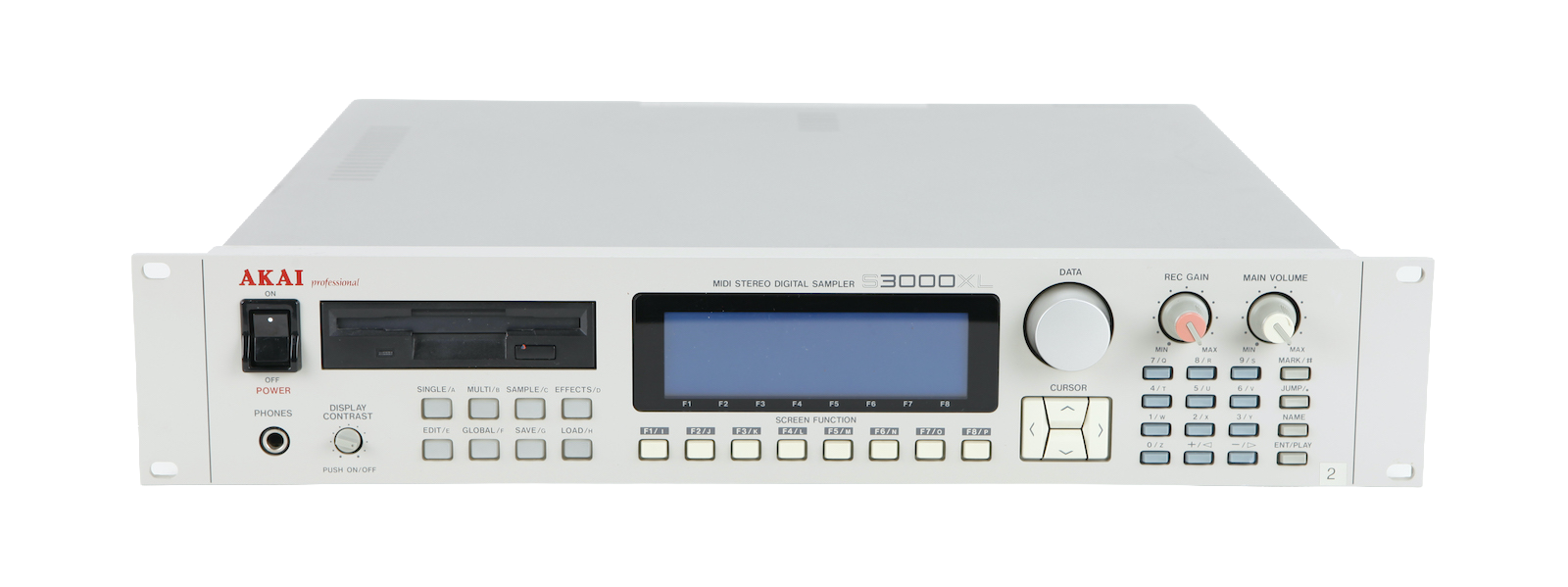
Akai S3000XL Sampler
This sound was embraced by some producers and became a new aesthetic — like the hi-hat patterns in early Memphis hip-hop.
Other producers worked to avoid the machine gun effect by duplicating samples across keys and making small changes to the samples.
In the 2000s, as software samplers and sample libraries emerged (Native Instruments Kontakt, Vienna Symphonic Library, Spitfire Audio, etc.), this round robin technique was considered best practice especially when it came to orchestral libraries which needed realistic repeated notes.
In this context, notes alternate between multiple recordings of the same sound. Each sound is meant to be as similar as possible, just with tiny performance differences. So the outcome is to achieve a more realistic result from samples; to sound more like someone is actually playing an upright piano or a violin for example. The goal was to create realism, not character change.
Multikeys, on the other hand, was created for character, texture, and patina. These multikey instruments can be collections of anything; multiple instruments, foley, layered and varied processing techniques, different vibes.
In practice, Multikeys often involves:
- Multiple loosely related performances
- Slightly different instruments or articulations
- Cycling playback rather than strict realism or emulation
- A focus on feel instead consistency
Each key press has its own identity. And when you play a melody or chord progression you get a textured, rich, evolving sound.
Why Multikeys Matters Now
In the age of generative AI where machines can endlessly remix the past and copy the present, techniques like Multikeys highlight where individual creativity still wins. The value isn’t just in the variation, but taste: choosing which differences matter, and how they’re combined.
As DJ Pain 1 recently pointed out in his video on creativity and AI, no matter how advanced artificial intelligence becomes, it fundamentally lacks ingenuity. Generative AI is limited to replicating what already exists. And even then, it copies imperfectly.
When you compare that to the deeply individual sound of someone like Keyon, it’s clear that AI is limited to a framework, while our own individual creativity continues to drive artistic and aesthetic innovation — and push boundaries.
DJ Pain1 shouts out Keyon for his pushing creative sampling forward.
Multikeys doesn’t try to emulate or recreate the past. It creates something new—modern textural instruments that carry the spirit of vintage samples without copying them.
Multikeys in Notes
We’ve added a new feature to Notes where you can create your own Multikeys quickly and easily. It’s available now in our 1.0.2 update.
All you need to do is find the samples you want to add, drag and drop them onto the Instrument engine, give it a name and – boom, you’re good to go!
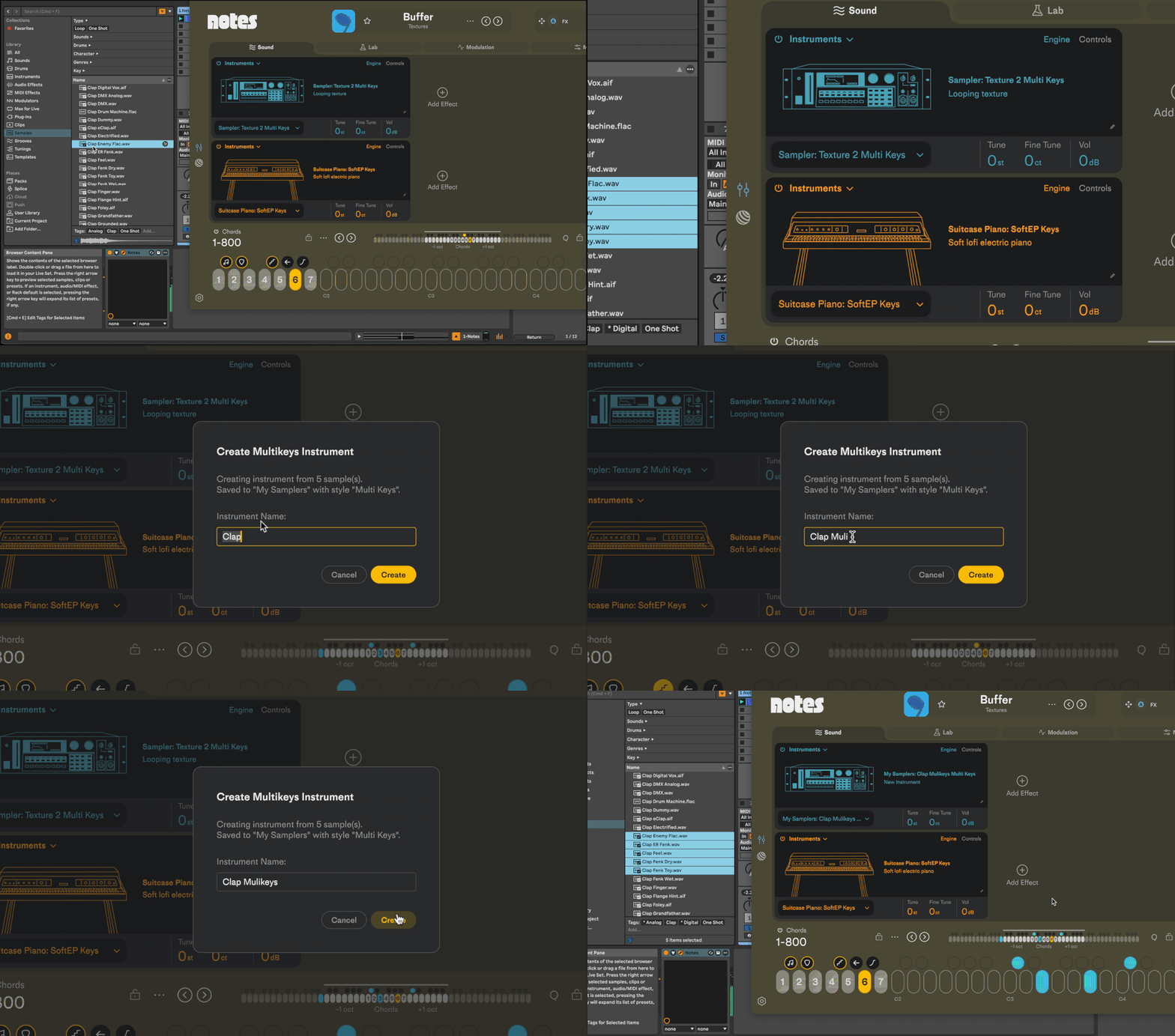
To create your multikeys, just grab the samples and drop them on the Instruments engine.
💡 Quick Tip: make sure your samples are already tuned to C before you drop them in.
If you have any feature requests for future Notes updates let us know on our Community Forum.